

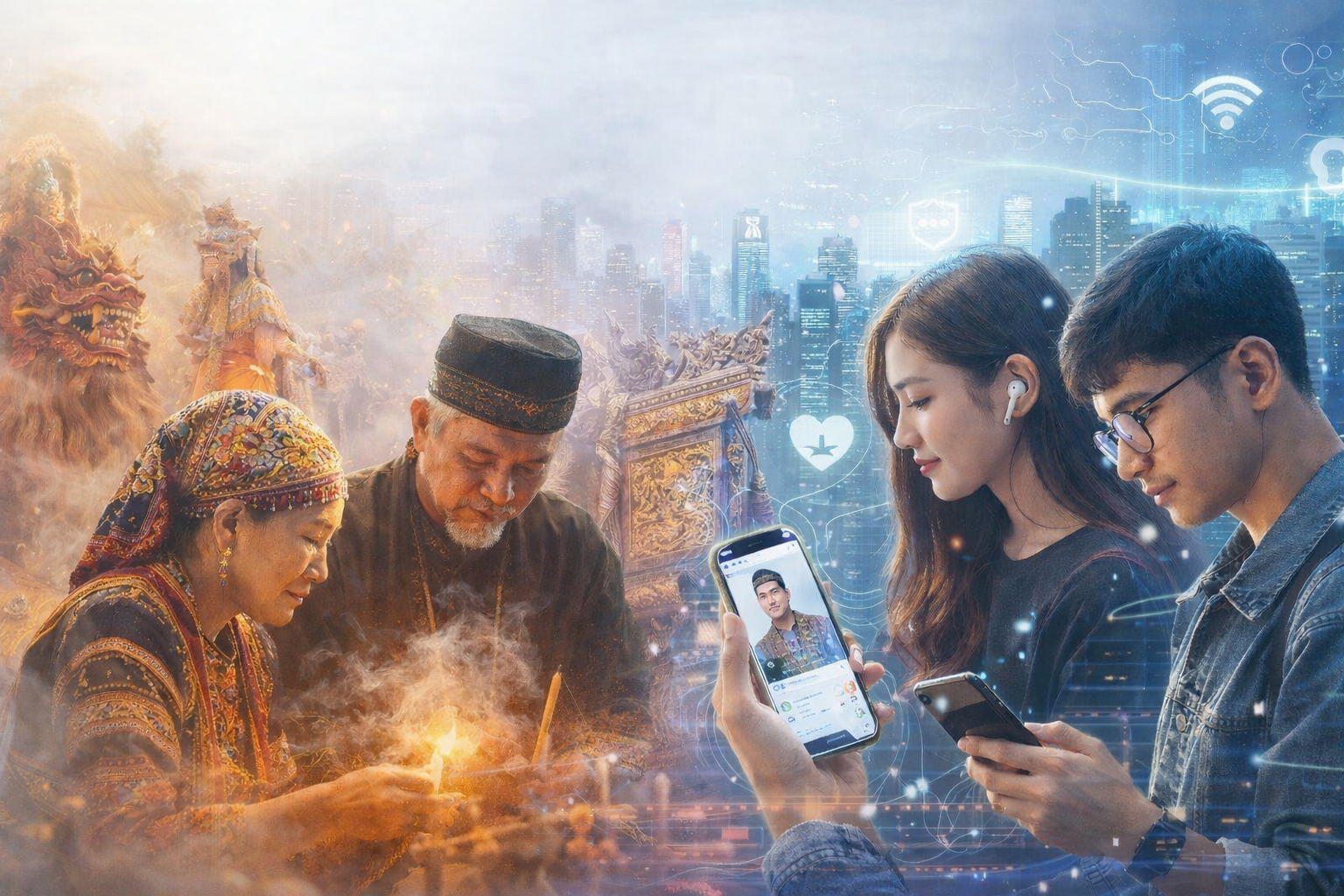
The evolution of culture in the modern era is increasingly shaped by technology and digital lifestyles. Discover how culture defines the identity of today’s generation.
Culture has always found a way to survive. While times continue to change, culture never truly disappears. Instead, it adapts, evolves, and takes on new forms alongside technological progress and modern lifestyles.
In today’s digital age, the evolution of culture in the modern era is happening faster than ever. Social media, the internet, and globalization allow cultures from different parts of the world to interact, merge, and influence one another. This creates both challenges and opportunities, especially for younger generations.
Culture in a Time of Rapid Change
Writing Style for National Media
In national media, cultural issues are often framed within a broader context. Culture is presented as part of national identity, influenced by globalization, and closely linked to Indonesia’s future.
This approach emphasizes data, nationwide trends, policy perspectives, and large-scale social phenomena, positioning culture as a strategic asset rather than merely a tradition.
Writing Style for Local Media
Local media, on the other hand, focuses on everyday realities. Culture is told through regional stories, local traditions, community activities, and figures who actively preserve cultural heritage.
The tone is more personal and grounded, making it easier for readers to connect because it reflects experiences they encounter directly.
Redefining Culture in the Modern Era
In the past, culture was closely associated with traditional clothing, customs, and ceremonial practices. Today, culture also includes how people communicate on social media, how they dress daily, and the entertainment they consume.
This shift is natural. Culture is dynamic by nature, it grows and changes alongside social, economic, and technological conditions. As long as core values are preserved, transformation helps culture remain relevant and alive.
Technology’s Role in Cultural Evolution
Latest News Angle: Digital Culture and Short-Form Content Trends
One of the most visible cultural trends today is the rise of short-form digital content. Social media platforms have become new spaces for cultural expression, from traditional dances and folk music to folklore retold in modern formats.
This phenomenon shows that culture no longer lives only on stages or in museums. It thrives on smartphone screens, with young people acting as both creators and curators of cultural content.
How Technology Shapes Modern Culture
Technology is a key driver of the evolution of culture in the modern era. Smartphones and social media have transformed how culture is consumed, shared, and preserved.
Traditional dances can now go viral through short videos. Local music can be remixed with modern genres and enjoyed across generations. Even regional languages are gaining renewed attention through creative digital content.
However, technology also presents challenges. Foreign cultures spread rapidly, and without conscious preservation efforts, local cultures risk being overshadowed.
Pop Culture and the Younger Generation
Pop culture has become the most visible representation of modern cultural evolution. Music, films, fashion, and digital trends strongly influence the lifestyle of younger generations.
Interestingly, pop culture is no longer dominated solely by Western influences. Asian cultures, including Indonesian culture, are gaining global recognition. Many young people now proudly incorporate local cultural elements into their creative works.
Examples include wearing batik in casual outfits, blending traditional music with contemporary genres, and producing educational cultural content in a relaxed, engaging style.
Local Culture and National Identity
Amid globalization, local culture remains a vital part of national identity. Culture serves as both a distinguishing feature and a source of strength that gives a nation its unique character.
Cultural preservation does not always require formal or rigid methods. Creative and casual approaches are often more effective for younger audiences. Cultural festivals, creative communities, and digital platforms have become powerful tools for introducing culture from an early age.
Challenges in Preserving Culture Today
Despite growing opportunities, preserving culture in the modern era comes with challenges. Declining interest among youth, limited cultural education, and the dominance of global culture are major concerns.
This is why collaboration between government institutions, communities, educators, and the public is essential. Early cultural education plays a crucial role in ensuring younger generations stay connected to their roots.
Culture as a Lifestyle
Today, culture is no longer seen solely as heritage, it has become a lifestyle. Ways of thinking, working, and interacting are all part of modern culture.
Work culture, digital culture, and environmentally conscious culture are gaining increasing attention. This reflects how culture continues to evolve in response to contemporary needs.
The Role of Online Media in Cultural Development
Online media plays a significant role in shaping public perceptions of culture. News portals, blogs, and social media are now the primary information sources for younger audiences.
With engaging and accessible storytelling, online media can reach broader audiences. This is why cultural coverage must be presented in a relevant, appealing, and approachable way, without appearing rigid or outdated.
The Future of Culture in the Digital Era
Looking ahead, the future of culture depends largely on how younger generations interpret and value it. If culture is viewed only as something from the past, it risks being left behind.
However, if culture is embraced as part of identity and creativity, it will continue to thrive. Technology can serve as a tool, not a threat, in keeping culture relevant.
Breaking News Version
Local Culture Gains Momentum on Social Media as Youth Take the Lead
The evolution of culture in the modern era is becoming increasingly visible in digital spaces. In recent months, local cultural content has surged across social media platforms, capturing the attention of young audiences.
This trend marks a shift in how culture is introduced and preserved. Social media has become a primary space where culture grows, evolves, and reaches a wider audience.
Feature Human Interest Version
When Young People Preserve Culture Through Their Smartphones
Across cities and villages, young people are taking on new roles as cultural guardians, not through traditional ceremonies or grand stages, but through everyday digital content.
For them, culture is not merely a relic of the past. It is an identity worth celebrating. Through simple yet creative efforts, they introduce local culture to the world, proving that tradition and technology can coexist.
The evolution of culture in the modern era demonstrates that tradition and modernity can move forward together. Culture does not need to survive in old ways, it can grow through new approaches.
With technological support, youth creativity, and the role of online media, culture has a strong opportunity to flourish without losing its core identity.