

Climate Change Is No Longer a Distant Threat
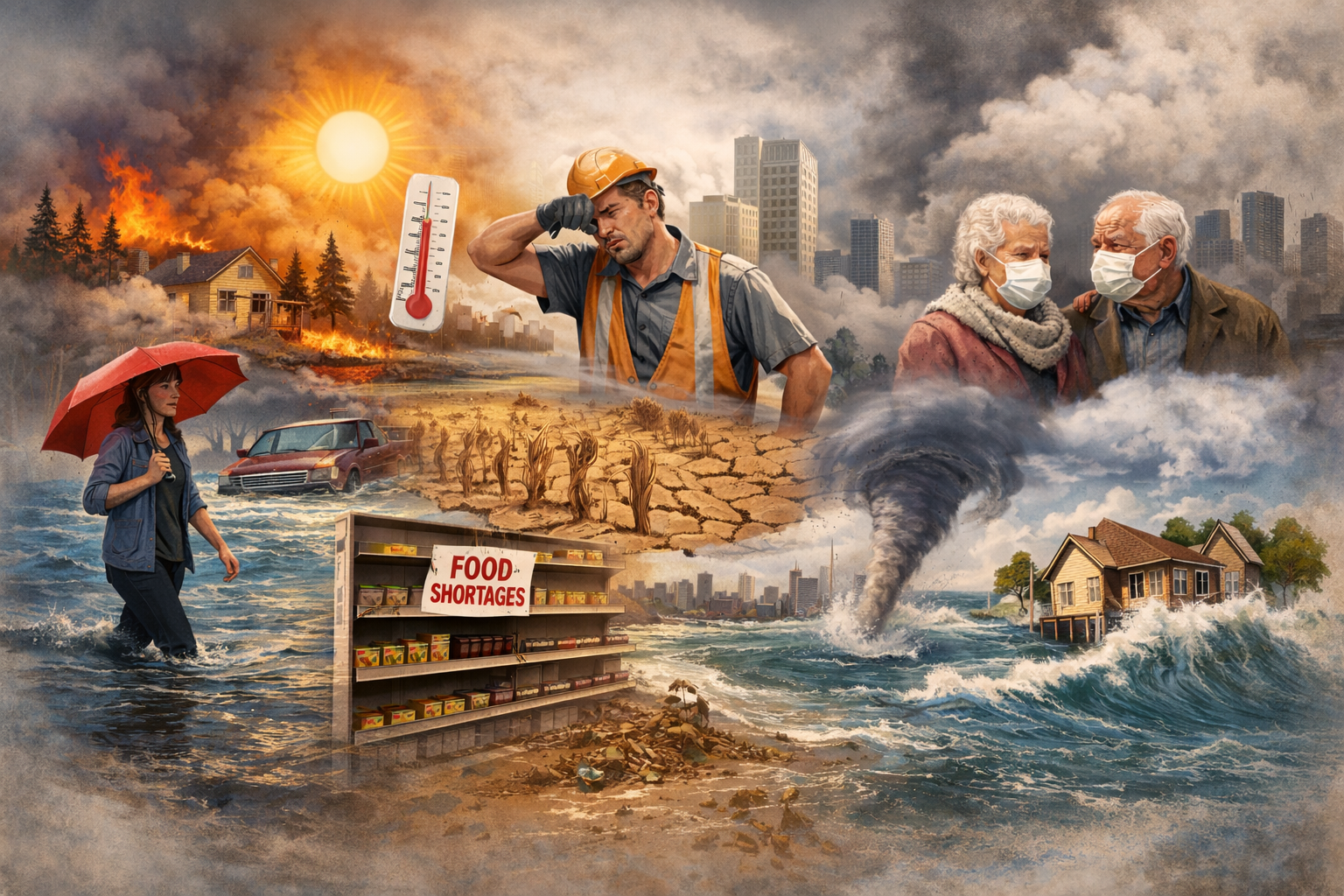
Climate change is often discussed as a long-term global crisis, something future generations will need to confront. However, scientific evidence increasingly shows that climate change is already reshaping everyday life, quietly, persistently, and globally.
From rising temperatures that disrupt sleep to extreme weather events that affect food prices and job stability, the impacts of climate change are no longer abstract. According to climate scientists, what humanity is experiencing today represents only the early stages of a much broader transformation of how people live, work, and survive on a warming planet.
1. Rising Temperatures Are Changing Daily Routines
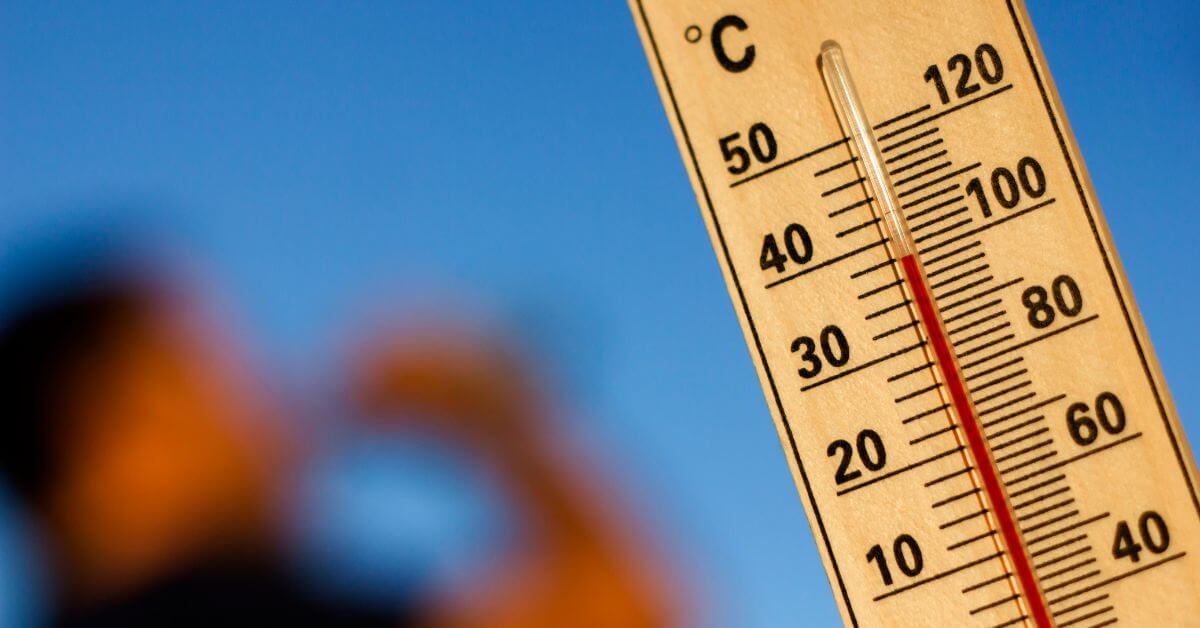
One of the most visible effects of climate change is extreme heat. The World Meteorological Organization confirms that the last decade was the hottest ever recorded, with global average temperatures continuing to rise.
How Heat Affects Everyday Life
- Sleep disruption: Warmer nights reduce sleep quality, affecting mental focus and emotional health.
- Reduced outdoor activity: People increasingly avoid physical activity during peak daytime heat.
- Higher energy use: Greater reliance on air conditioning raises electricity demand and household costs.
Researchers publishing in Nature Climate Change found that climate-driven heat has already reduced global labor productivity, especially in outdoor jobs such as agriculture and construction.
2. Extreme Weather Is No Longer Rare

Climate change increases both the frequency and intensity of extreme weather events, including floods, hurricanes, droughts, and wildfires.
Everyday Consequences
- Interrupted transportation systems
- Power outages lasting days or weeks
- Damage to homes, schools, and hospitals
- Rising insurance costs or loss of coverage
The Intergovernmental Panel on Climate Change (IPCC) warns that many of today’s “once-in-a-century” disasters may occur every few years if emissions are not reduced.
3. Health Risks Extend Beyond Heat
Climate change affects health in indirect but serious ways.
Key Health Impacts
- Poor air quality from wildfires and pollution
- Spread of infectious diseases as warmer climates expand mosquito habitats
- Mental health strain, including anxiety, trauma, and climate-related stress
A 2023 Lancet report described climate change as “the greatest global health threat of the 21st century,” linking it to increased mortality and chronic disease.
4. Water Scarcity and Food Insecurity Are Rising
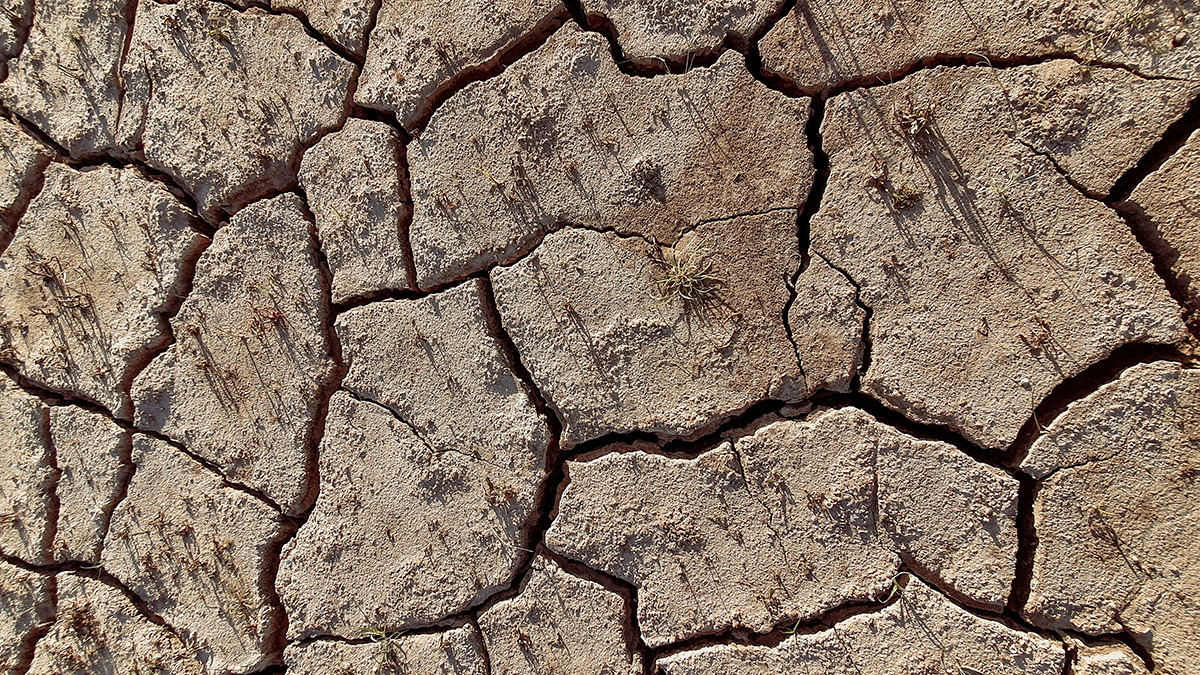
Changes in rainfall patterns are disrupting water systems worldwide. Some regions face prolonged drought, while others experience destructive flooding.
Impacts on Daily Life
- Water restrictions for households
- Higher food prices due to crop failures
- Increased dependence on food imports
The Food and Agriculture Organization (FAO) reports that climate change has already reduced agricultural productivity in many low- and middle-income countries.
5. Work, Productivity, and the Economy Are Under Pressure
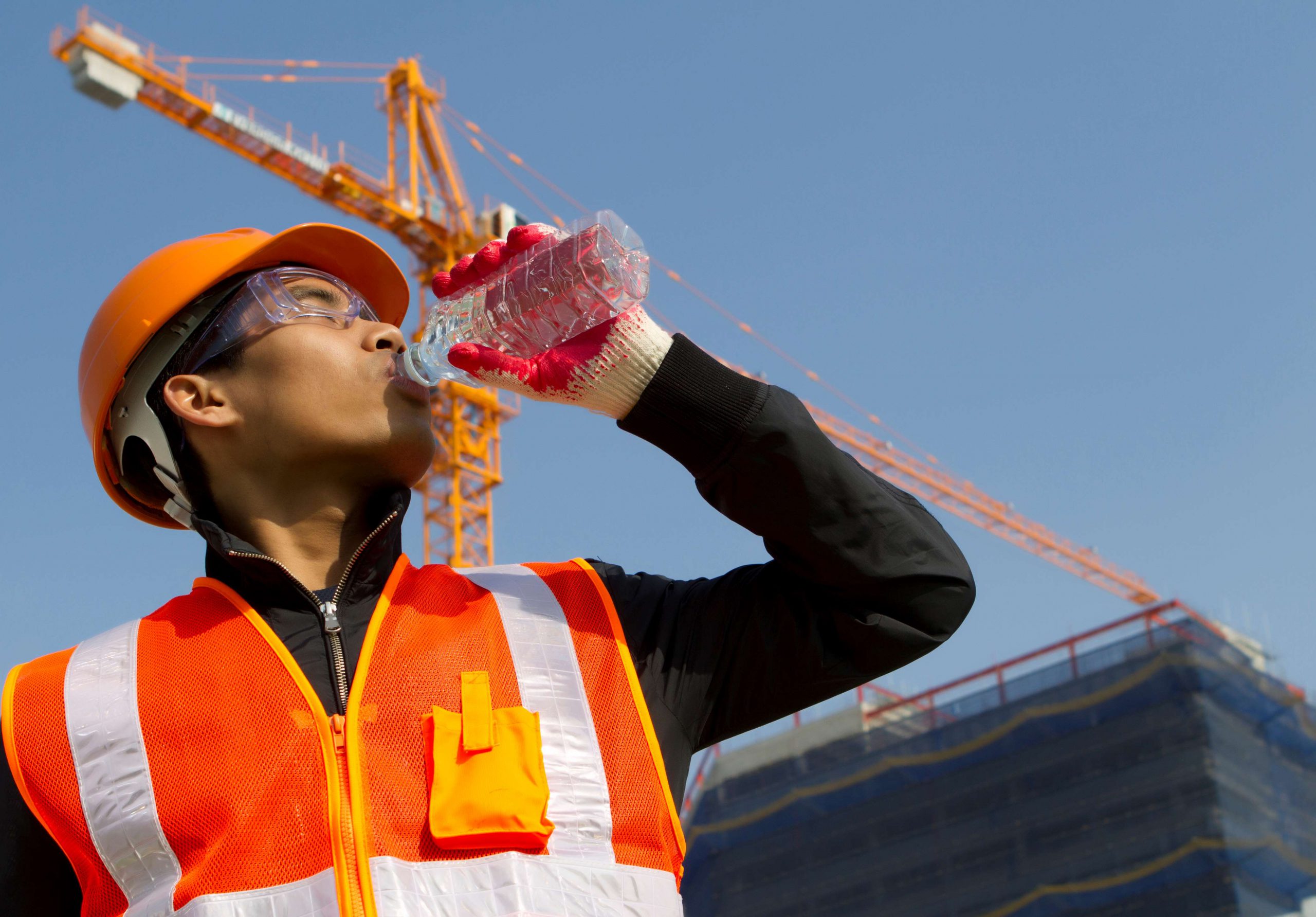
Extreme heat and weather instability are affecting how people work.
Expert Observations
- Outdoor workers face higher injury and illness risk
- Businesses lose workdays due to weather disruptions
- Supply chains become more fragile
The International Labour Organization estimates that heat stress could cost the global economy trillions of dollars annually by 2030.
6. Climate Change Is Altering Everyday Behavior

Subtle shifts in behavior reveal how deeply climate change is shaping daily life:
- Altered school and work schedules
- Less outdoor social interaction
- Growing demand for green spaces and shade
Urban planners increasingly recognize the need for climate-resilient cities designed around heat adaptation.
7. What Experts Say About the Years Ahead
Climate scientists agree on one point: current impacts are only the beginning.
According to NASA and the IPCC, future decades may bring:
- More intense heatwaves
- Rising sea levels affecting coastal cities
- Increased climate-related migration
However, experts stress that strong mitigation, renewable energy, climate-resilient infrastructure, and emissions reduction, can still limit the worst outcomes.
Climate Change Is Already Reshaping Life
Climate change is not waiting for the future. It is already influencing how people sleep, work, eat, travel, and stay healthy. These changes may appear gradual, but together they represent a profound transformation of daily life on Earth.
As experts warn, the choices societies make today will determine whether climate change remains a manageable challenge, or becomes an overwhelming crisis for generations to come.